Platelets are tiny cells in your blood that play a critical role in clotting and healing. Low platelet numbers can make even small cuts or bruises a concern, and can affect overall blood health.
If you have been diagnosed with a low platelet count or notice unusual bleeding or bruising, understanding the reasons, warning signs, and ways to support healthy platelet production is essential. For accurate testing, it is recommended to consult a reliable pathology center.
What Are Plateles?
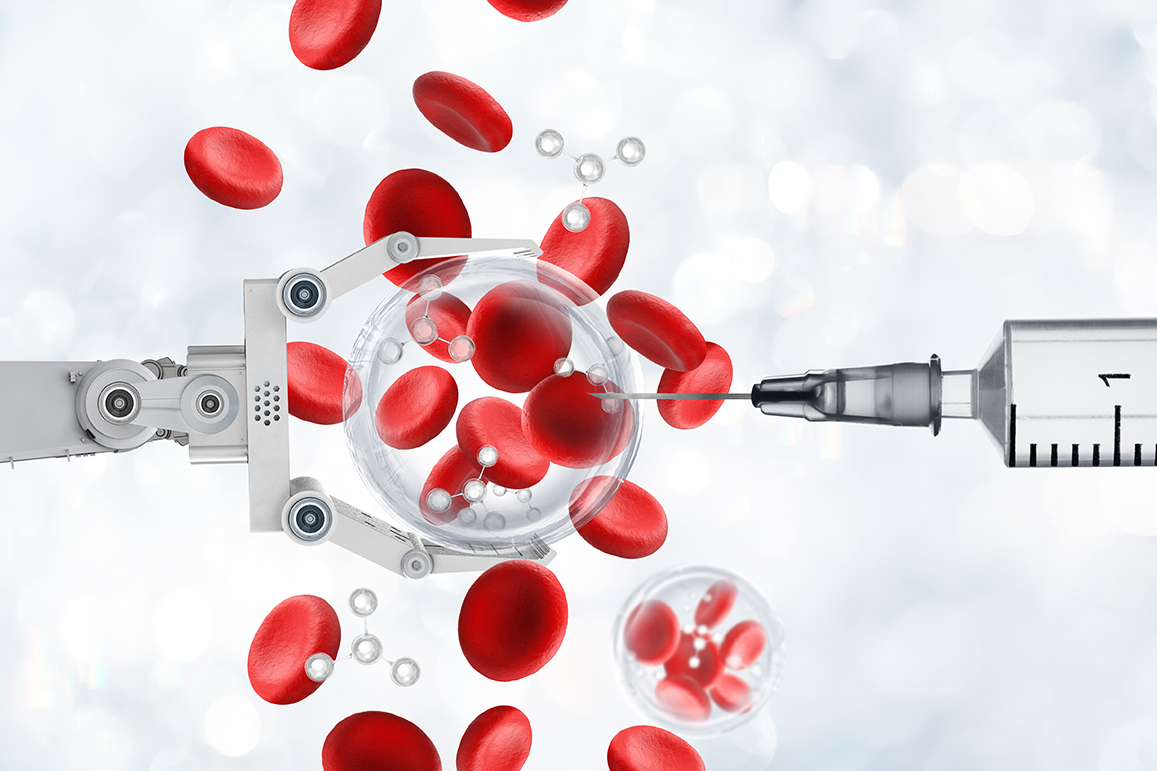
Platelets, also known as thrombocytes, are tiny, disc-like cell fragments produced in the bone marrow.They help your blood form clots to stop bleeding. A deficiency in platelets may make it difficult for your body to manage bleeding effectively.
Typical Platelet Levels
- Normal: 150,000–450,000 per microliter of blood
- Low: Below 150,000 (thrombocytopenia)
- High: Above 450,000 (thrombocytosis)
This guide focuses on supporting low platelet counts.
Signs of Low Platelets
Sometimes, a mild decrease in platelets doesn’t show symptoms. However, more significant reductions may present as:
- Unexplained or frequent bruising
- Nosebleeds that last longer than normal
- Bleeding gums
- Small red or purple spots on the skin
- Excessive bleeding from minor cuts
- Heavy periods in women
- Blood in urine or stool
- Feeling unusually tired
If you experience any of these, it’s advisable to seek medical evaluation at a cardiology center or a pathology center and consider a blood test to measure platelet levels.
Causes of Low Platelet Count
Several factors may lead to reduced platelet production:
- Viral Infections: Conditions such as dengue, chikungunya, or influenza can temporarily lower platelet numbers.
- Immune Disorders: Autoimmune conditions may lead the body to destroy its own platelets.
- Medication Effects: Certain antibiotics, anti-seizure drugs, and chemotherapy can reduce platelet formation.
- Nutritional Deficiencies: Lack of nutrients like vitamin B12, folate, or iron can affect platelet production.
- Bone Marrow Conditions: Rare disorders like leukemia or aplastic anemia can impair platelet generation.
Ways to Naturally Support Platelet Production
For mild cases not linked to serious illness, lifestyle and dietary adjustments may help maintain or improve platelet counts:
Nutritious Diet
Include foods that support blood health:
- Vitamin B12: Eggs, dairy, fortified cereals
- Folate: Leafy greens, lentils, citrus fruits
- Iron: Beans, tofu, spinach
- Vitamin C: Citrus fruits, kiwi, bell peppers (enhances iron absorption)
Hydration
Drink enough water to keep blood cells functioning optimally.
Avoid Alcohol and Smoking
Both can affect bone marrow function and reduce platelet production.
Limit Highly Processed Foods
Sugary, fried, or heavily processed foods may promote inflammation and reduce nutrient absorption.
Rest and Stress Management
Adequate sleep and stress control through light exercise, yoga, or meditation can strengthen the immune system and support platelet health.
Imaging and Diagnostics
In some cases, your doctor may recommend tests at a radiology center to rule out underlying conditions affecting platelet count.
When to Get Tested
Testing is necessary if you notice persistent or unusual bleeding, bruising, or fatigue. A Complete Blood Count (CBC) can measure platelet levels and help identify potential causes.
Testing may be especially important if you:
- Recently had a viral illness
- Are undergoing chemotherapy
- Take medications that affect blood cell production
- Have a family history of blood disorders
- Experience unexplained fatigue or bleeding
Key Takeaways
- Low platelet counts may not always indicate a serious condition but should be monitored.
- Understanding normal platelet ranges, observing symptoms, and supporting your body with a nutrient-rich diet, hydration, and rest can help maintain healthy platelet levels.
- Persistent or worsening symptoms require consultation with a qualified healthcare provider at a trusted pathology center, cardiology center, or radiology center for proper evaluation and treatment.