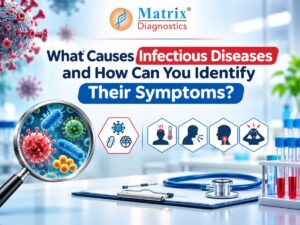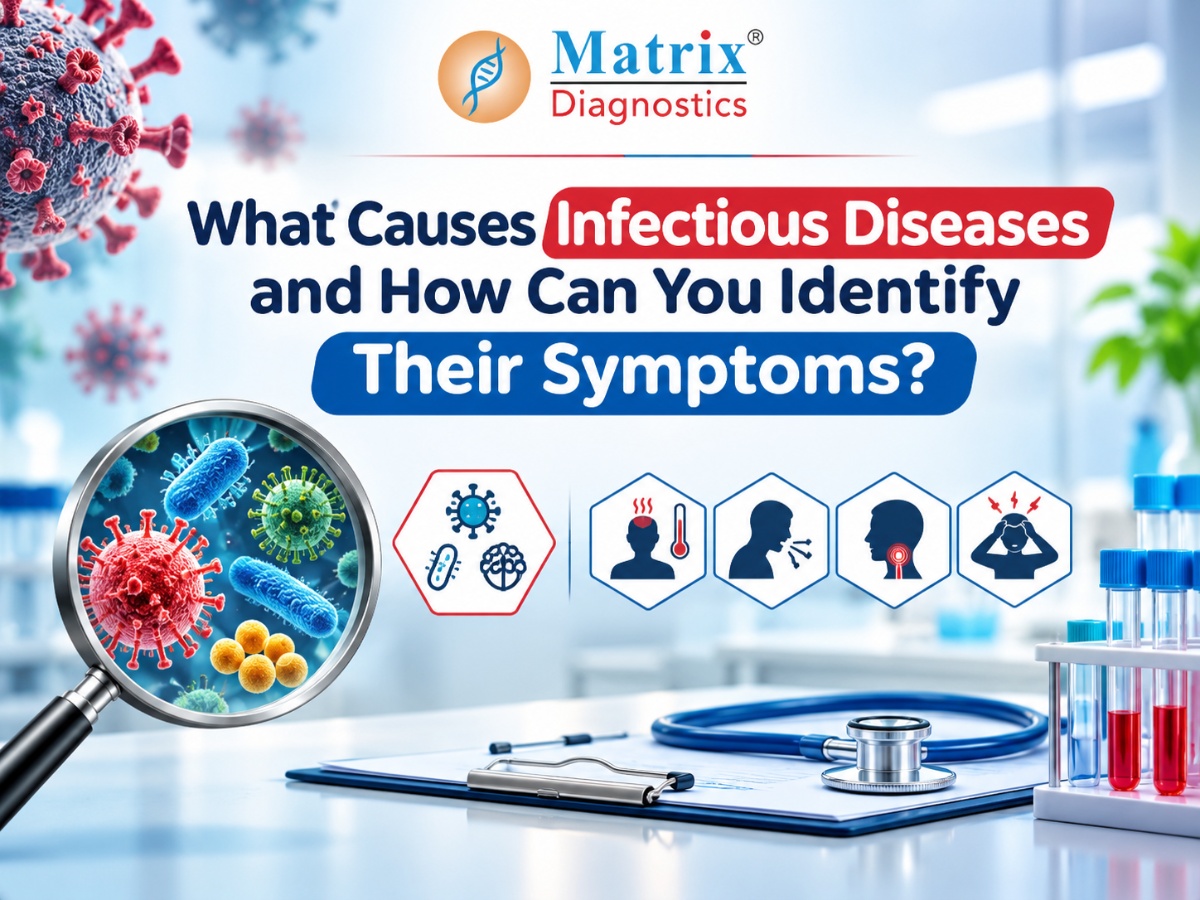
What Causes Infectious Diseases and How Can You Identify Their Symptoms?
- Home
- blogs
- What Causes Infectious Diseases and How Can You Identify Their Symptoms?
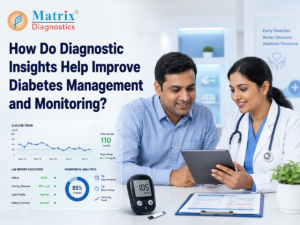
Diagnostic insights from continuous glucose monitoring (CGM) and HbA1c tests empower you with real-time data and long-term glucose trends, enhancing your diabetes management. CGM allows you to make immediate lifestyle adjustments based on glucose levels, while HbA1c provides a thorough view of your glucose control over months, guiding the optimization of your treatment plan. By integrating these tools, you’ll maintain tighter glucose control, potentially lowering complication risks, and gaining deeper insights into your health management. Choosing the best diagnostic center in Hyderabad can also help ensure access to reliable diagnostic testing and accurate health insights.
Understanding the Role of Continuous Glucose Monitoring in Daily Diabetes Care
While managing diabetes, you’ll find that continuous glucose monitoring (CGM) systems are invaluable tools for maintaining ideal blood sugar levels. These devices provide real-time data on glucose trends, allowing for immediate lifestyle adjustments. Unlike traditional monitoring, CGMs track your glucose levels continuously throughout the day and night.
This thorough data collection helps you understand how different activities and foods impact your glucose levels. By analyzing these trends, you’re empowered to make informed decisions that enhance your health freedoms—choosing activities and meals that keep your glucose within target ranges. Additionally, this constant feedback loop facilitates proactive rather than reactive management, optimizing your diabetes care strategy and reducing the risk of complications. A reliable pathology diagnostic center in Hyderabad can support this approach by providing accurate laboratory testing and health-related diagnostic insights.
The Importance of HbA1c Tests in Long-Term Diabetes Management
In managing diabetes effectively, you should not overlook the critical role of Hemoglobin A1c (HbA1c) tests. The HbA1c significance lies in its ability to measure your average blood glucose level over the past two to three months, providing a thorough view of your glucose control.
This test is pivotal because it helps predict your risk of diabetic complications. To maintain a grasp on your diabetes management, test frequency should ideally be every three to six months, depending on your current treatment plan and control status. Regular monitoring of HbA1c levels allows you to adjust your lifestyle and treatment in a timely manner, ensuring that your pursuit of health freedom remains unimpeded and well within your control.
Integrating Diagnostic Data With Treatment Plans for Optimal Outcomes
Understanding the significance of Hemoglobin A1c levels in your diabetes management, it’s equally important to effectively integrate these diagnostic outcomes with your treatment plans. By tailoring your therapy based on specific data-driven decisions, you can maximize the efficiency and effectiveness of your treatment. A trusted cardiology diagnostic center in Hyderabad can also provide specialized diagnostic services to support comprehensive health monitoring alongside diabetes care.
Personalized interventions, which consider your unique A1c results, lifestyle, dietary habits, and other health metrics, lead to more controlled glucose levels and reduce the risk of complications. Continuously updating your treatment strategy in response to new data guarantees that your diabetes management is proactive rather than reactive. This dynamic adjustment empowers you to take charge of your health, making adjustments as needed to maintain ideal control and improve your overall quality of life.Infectious diseases are primarily caused by pathogenic microorganisms such as viruses, bacteria, fungi, and parasites. These pathogens invade the body, multiply, and spread, triggering various symptoms. Recognizing these symptoms, which can range from mild fever and fatigue to severe conditions such as dyspnea (difficulty breathing) or skin lesions, is essential for early diagnosis and effective treatment. Understanding these symptoms helps support timely medical intervention and distinguish between different infectious agents. Consulting the best diagnostics in Hyderabad can help individuals access appropriate diagnostic tests to identify potential infections and guide treatment decisions. As healthcare professionals continue to study these patterns, it is increasingly important to understand how everyday behaviors influence disease transmission and symptom development.
Types of Pathogens Responsible for Infectious Diseases
Infectious diseases are caused by various pathogens, including viruses, bacteria, fungi, and parasites. Bacterial pathogens, such as Streptococcus and Staphylococcus, cause a wide range of illnesses, from mild skin infections to serious conditions such as pneumonia and meningitis. Viral pathogens, including influenza viruses and HIV, invade host cells and use their machinery to reproduce, often causing systemic symptoms. Each type of pathogen has distinct mechanisms of infection and symptom patterns, making accurate diagnosis essential for effective treatment. Consulting a pathology diagnostic center in Hyderabad can help individuals access appropriate laboratory tests to identify infections and support timely medical decisions. Understanding the characteristics of bacterial and viral pathogens supports a targeted medical response and empowers individuals to make informed health decisions, strengthening personal and community health.
Transmission Methods for Infectious Agents
Understanding the types of pathogens responsible for infectious diseases provides a foundation for learning how these agents spread from one individual to another. Transmission methods vary but commonly include direct contact and vector transmission. Direct contact involves physical interactions or exposure to bodily fluids, which can facilitate the transfer of certain viruses and bacteria. Respiratory infections, including influenza and COVID-19, can also spread through infectious respiratory particles.
Vector transmission occurs when infectious agents are carried by organisms such as mosquitoes or ticks. These vectors transmit pathogens to humans through bites, potentially causing diseases such as malaria and Lyme disease. Each transmission method highlights the complex relationships between human behavior, environmental factors, and pathogen survival.
Recognizing the Symptoms of Infectious Diseases
How do symptoms manifest in individuals affected by infectious diseases? Symptom recognition plays a pivotal role in disease awareness and timely intervention. Infectious diseases can produce a spectrum of symptoms, depending on the pathogen and the body’s response. Common manifestations include fever, fatigue, cough, and gastrointestinal disturbances. Some symptoms may provide clues about a particular infection, although they are not always specific. For example, a rash can occur with measles, while breathing difficulties may indicate a serious respiratory condition. Consulting a cardiology diagnostic center in Hyderabad can help individuals experiencing heart-related symptoms access appropriate cardiac evaluations.
Accurate identification requires considering symptoms alongside medical history, possible exposure, and relevant diagnostic tests. Increased awareness supports early detection and encourages individuals to seek appropriate medical care. Recognizing symptoms promptly can also help reduce further transmission and protect public health.
Preventive Measures to Control the Spread of Infections
Implementing effective preventive measures is essential for controlling the spread of infectious diseases. Important strategies include vaccination and consistent hygiene practices. Vaccines help protect individuals against specific infections and can contribute to community immunity, reducing the risk of outbreaks. The impact of vaccination depends on factors such as vaccine effectiveness, coverage, and the disease involved.
Hygiene practices, including regular handwashing, proper sanitation, and appropriate disinfection, also help interrupt transmission pathways. Additional precautions, such as improving ventilation and following respiratory hygiene practices, can reduce the spread of certain respiratory infections. Together, these measures strengthen public health systems, protect vulnerable populations, and reduce the burden of infectious diseases on society.