Which Signs of Bleeding Should Be Assessed by a Doctor Immediately?
- Home
- blogs
- Which Signs of Bleeding Should Be Assessed by a Doctor Immediately?
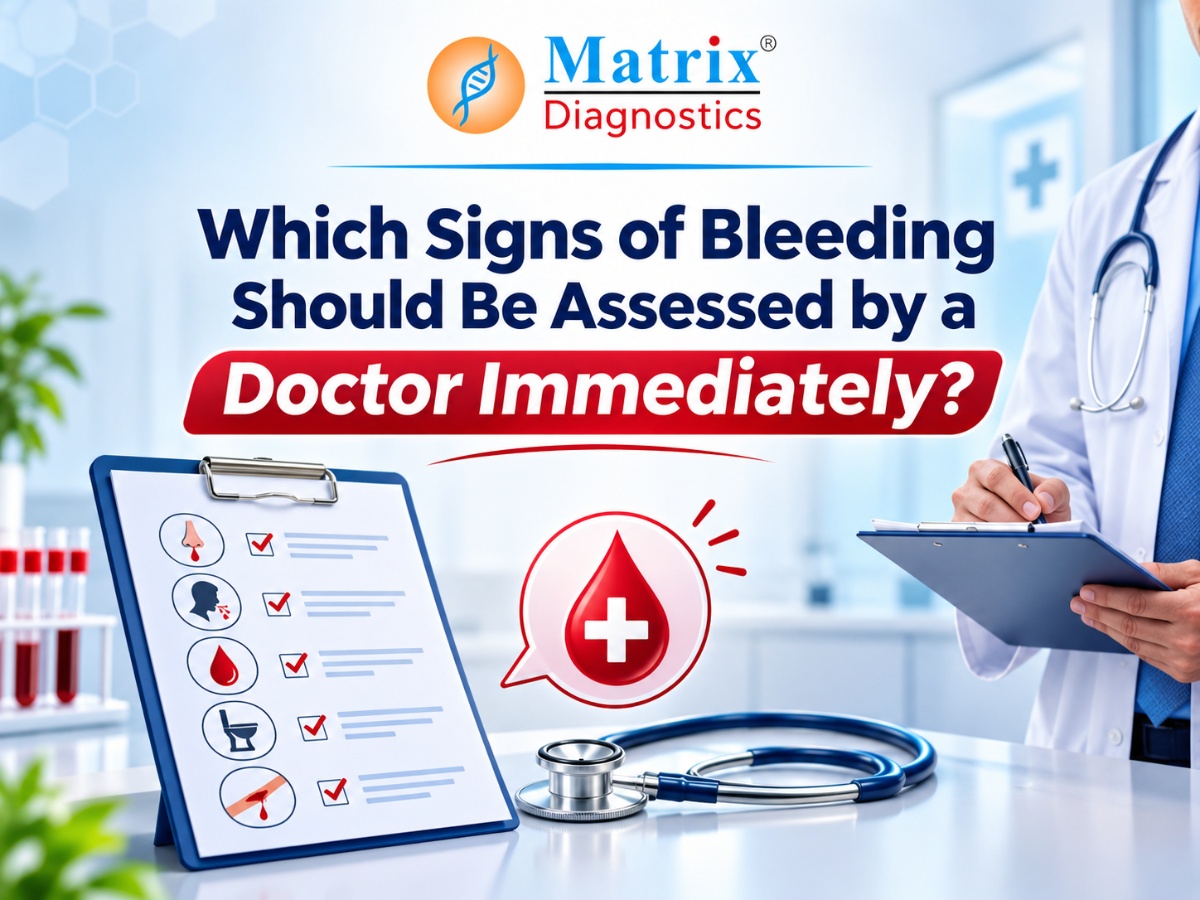
When encountering severe external bleeding that spurts or pours rapidly, immediate medical intervention is essential. Similarly, persistent nosebleeds resistant to basic first aid, or the alarming presence of blood in urine or stool, demand urgent attention. These symptoms may herald significant underlying health issues ranging from systemic diseases to acute trauma. Additionally, abnormal vaginal bleeding with characteristics such as unusually heavy flow or erratic menstrual cycles should prompt a swift evaluation by healthcare professionals. Consulting the best diagnostics in Hyderabad can help individuals access appropriate diagnostic tests to investigate potential underlying causes. The implications of these signs are profound and potentially life-altering.
Recognizing Severe External Bleeding: When to Act Fast
When an individual experiences severe external bleeding, immediate action is essential due to the rapid loss of blood which can lead to shock or even death if not addressed promptly. The recognition of external wounds with significant bleeding severity is critical. Key indicators include blood that spurts or pours continuously from the wound, a dark red color suggesting arterial origin, and rapid blood pooling on the ground or soaking through bandages. The assessment of the blood loss rate and the physical response of the patient, such as pale, cool skin, rapid heartbeat, or confusion, are important. Swift, decisive management of such cases, prioritizing direct pressure application and emergency medical intervention, is imperative to preserve life and prevent further complications. For appropriate diagnostic imaging when medically indicated, consulting the best CT scan centre in Hyderabad can help patients access the necessary evaluation.
The Dangers of Persistent or Heavy Nosebleeds
Persistent or heavy nosebleeds, medically termed epistaxis, can pose significant health risks if not properly managed. Common nosebleed causes include dry air, trauma, and underlying health conditions such as hypertension or clotting disorders. When frequent or voluminous, these nosebleeds may lead to significant blood loss, resulting in anemia or shock, which necessitates prompt medical intervention.
Treatment options vary depending on the severity and underlying cause. For immediate care, applying pressure and cold compresses can help control the bleeding. Medical treatments may include cauterization, nasal packing, or adjusting medications that contribute to bleeding. In cases where nosebleeds are recurrent and severe, a healthcare professional might investigate further to address any underlying health issues, ensuring freedom from persistent symptoms and complications.
Identifying Hidden Dangers: Blood in Urine or Stool
Why might blood appear in urine or stool? The presence of blood in urine typically signals issues within the urinary tract, such as infections, kidney stones, or more severe conditions like cancer. Similarly, blood in stool is an indicator of compromised gastrointestinal health, potentially pointing to conditions like hemorrhoids, inflammatory bowel disease, or colorectal cancer. These symptoms, though alarming, provide early warning signs that should not be ignored. Prompt medical evaluation is essential to determine the underlying cause and commence appropriate treatment. Consulting the best Health checkup Center in Hyderabad can help individuals access appropriate health assessments and diagnostic services when recommended by a healthcare professional. Ignoring these signs can lead to deterioration of health and freedom, as untreated conditions may escalate into more serious, life-threatening situations. Individuals experiencing these symptoms should seek immediate medical attention to safeguard their health and maintain their lifestyle.
Understanding Abnormal Vaginal Bleeding and Its Implications
What are the potential consequences of abnormal vaginal bleeding? This symptom, often indicative of underlying health issues, demands prompt medical evaluation. Abnormal bleeding encompasses a range of menstrual irregularities, such as unexpected mid-cycle bleeding, excessively heavy menstrual flow, or the cessation of menstruation outside of menopause. The potential causes are varied, including but not limited to hormonal imbalances, polyps, infections, or more severe conditions like cancer or systemic diseases. Ignoring these signs can lead to significant health risks, including severe anemia or undiagnosed malignancies. Women experiencing such symptoms should seek immediate medical attention to diagnose the root cause effectively and receive appropriate treatment, thereby safeguarding their health and maintaining their freedom to live without the constraints of untreated medical conditions.